

There’s a certain kind of frustration that sets in when a business is technically doing everything right, hiring good people, setting quarterly goals, running meetings, and still feeling like it’s spinning its wheels. No real momentum. No clarity on what actually moves the needle.That’s exactly the kind of problem Miuzo was built to solve.
At its core, Miuzo is a structured operational framework designed to bring clarity to complex business environments while laying the groundwork for growth that actually lasts. It’s not a software tool, and it’s not a motivational concept dressed up in business language. It’s a working methodology one that organizations across industries are starting to adopt because, honestly, the alternatives haven’t been cutting it.This guide breaks down what Miuzo really is, how it works in practice, who it’s best suited for, and what you need to know before implementing it inside your own organization.
What Is Miuzo? Understanding the Framework from the Ground Up
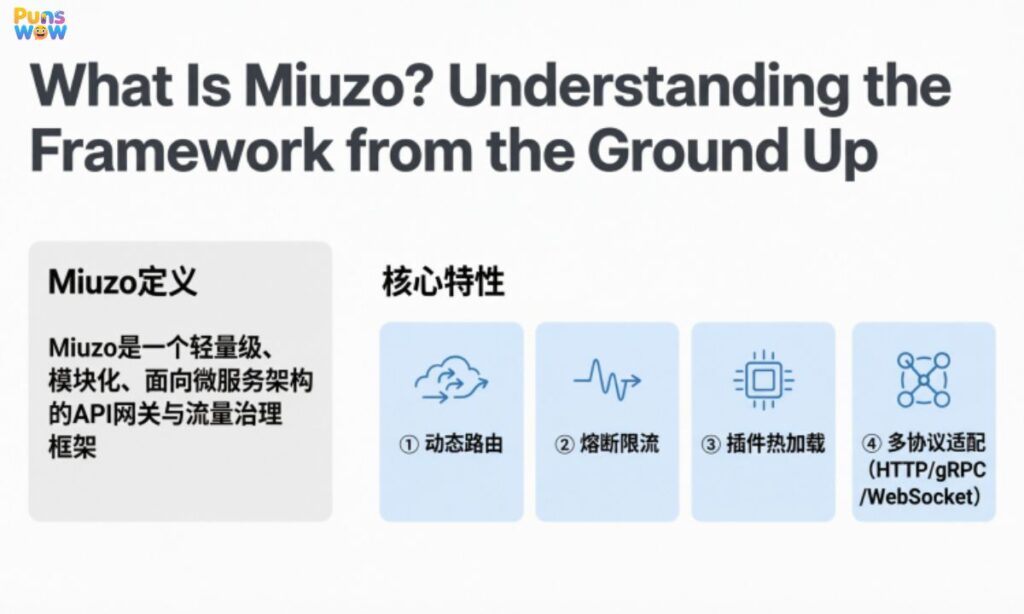
Miuzo operates on a deceptively simple premise: most business problems aren’t strategy problems they’re clarity problems. Teams don’t fail because they lack ambition. They fail because they’re unclear about priorities, roles, and what “success” actually looks like on a Tuesday afternoon.
The framework addresses this by structuring an organization’s goals, communication flows, and growth metrics around three interlocking pillars:
- Alignment ensuring every team member understands not just their task but why it matters in the larger picture
- Adaptability building systems that flex with market changes instead of cracking under pressure
- Accountability creating feedback loops that make progress visible, measurable, and honest
What makes Miuzo stand out from other frameworks think OKRs, EOS, or Agile derivatives — is how it handles the gap between strategy and execution. Most frameworks are excellent at the 30,000-foot view. Miuzo is equally comfortable at ground level.
The Philosophy Behind It
Miuzo doesn’t ask businesses to reinvent themselves. Instead, it works with existing structures and finds where the friction lives. That might be in how decisions get made, how teams communicate across departments, or how growth targets are set without adequate resource planning behind them.
This philosophy meet the organization where it is, then improve from there is part of why adoption tends to be faster and less disruptive than with heavier frameworks.
Why Clarity Is More Valuable Than Most Leaders Realize
Ask a room of executives whether their teams have clarity, and almost everyone will say yes. Ask those same executives’ employees the same question, and you’ll often hear something very different.
This disconnect is one of the most consistent findings in organizational research. People operate on assumptions. Teams fill in information gaps with whatever makes the most sense to them — which isn’t always what their managers intended.
Miuzo treats clarity not as a cultural value (the kind of thing you put in a company handbook) but as an operational requirement. It uses structured goal-alignment tools to ensure that what leadership wants and what front-line teams are executing are actually the same thing.
The difference this makes is surprisingly tangible. One mid-market logistics company that implemented Miuzo’s alignment practices reported a 27% reduction in project revision cycles within the first four months. Not because people suddenly became smarter — they just stopped working on the wrong version of the problem.
Clarity at Scale
Maintaining clarity is relatively easy in a five-person startup. Everyone’s in the same room. Context travels fast. But scale that to 50 or 500 people, and suddenly the original vision is playing a game of telephone across three time zones and two management layers.
Miuzo’s scalability is built into the design. The framework’s documentation and review structures are meant to scale with headcount without requiring exponentially more management overhead. That’s a bigger deal than it sounds.
The Core Features of the Miuzo Framework
Let’s get specific. Here’s what the Miuzo framework actually includes and why each component matters:
Goal Architecture
Miuzo doesn’t just encourage SMART goals it restructures how goals are connected across organizational levels. A company-wide objective isn’t just handed down; it’s translated into team-level and individual-level priorities with explicit links between them. People can see how their work connects to the bigger picture without needing a quarterly all-hands to remind them.
Data Integration Points
One of Miuzo’s more practical features is how it incorporates data checkpoints into the workflow itself. Instead of waiting for end-of-quarter reviews to discover something went sideways, the framework builds in regular data-driven pulse checks. These aren’t long meetings they’re structured, focused, and time-boxed.
Cross-Functional Collaboration Protocols
Departments working in silos is one of the most expensive problems a business can have, and also one of the least talked about. Miuzo includes explicit protocols for cross-functional collaboration that define how teams share information, escalate decisions, and resolve conflicts without everything becoming a leadership issue.
Sustainable Growth Metrics
Perhaps most distinctively, Miuzo reframes how organizations measure growth. Revenue and user counts matter, but Miuzo pushes businesses to also track operational health indicators things like team capacity utilization, decision velocity, and employee clarity scores. These metrics often predict growth problems before they show up in the financials.
Real Businesses, Real Results: Miuzo in Action
It’s easy to describe a framework in flattering terms. The more honest test is what actually happens when organizations put it to work.
A B2B SaaS company struggling with high churn and unclear product-market messaging adopted Miuzo’s alignment pillar to restructure how their product, sales, and customer success teams coordinated. Within two quarters, customer onboarding satisfaction scores improved by 40%, and churn dropped meaningfully not because the product changed, but because the teams stopped pulling in different directions.
A regional healthcare services provider used Miuzo’s sustainability metrics to identify that their rapid hiring pace was outrunning their training infrastructure. The insight sounds obvious in hindsight, but the framework surfaced it before it became a patient-care problem. They restructured their onboarding timeline and avoided what could have been a serious operational crisis.
Not every story is a home run, of course. A retail chain attempted to implement the full Miuzo framework across 12 locations simultaneously without adequate training or change management support and found the rollout chaotic. The lesson there isn’t that Miuzo doesn’t work; it’s that no framework survives a poorly managed implementation.
Pros and Cons of the Miuzo Framework
Like anything worth using, Miuzo has real strengths and real limitations. Here’s a grounded look at both.
Pros
- Bridges strategy and execution better than most top-down frameworks
- Scalable across company sizes, from 20-person teams to enterprise departments
- Industry-agnostic — has been applied effectively in tech, healthcare, logistics, retail, and professional services
- Reduces meeting dependency by embedding communication into structured workflows
- Builds sustainable growth habits rather than pushing for short-term performance spikes
- Relatively fast to implement in phases without requiring full organizational overhaul
Cons
- Requires genuine leadership buy-in — partial adoption tends to produce minimal results
- The learning curve is real for organizations used to informal or reactive management styles
- Data infrastructure matters — companies without baseline analytics may struggle with the metrics component
- Not a quick fix — meaningful results typically take 90–180 days to become visible
- Can feel rigid in highly creative or experimental team cultures if applied too strictly
How to Incorporate Miuzo into Your Business Strategy
The temptation is to try to implement everything at once. Resist it. Miuzo is designed to be phased in, and starting with the full framework simultaneously is one of the more common mistakes organizations make.
Here’s a practical, phased approach:
Phase 1 — Diagnosis (Weeks 1–3) Start by mapping current communication and decision-making flows. Where are the bottlenecks? Where does information get lost? Where do teams consistently misalign? Don’t skip this step. The framework can’t tell you what’s broken; you have to find that yourself.
Phase 2 — Goal Architecture (Weeks 4–6) Introduce Miuzo’s goal-connection methodology starting with your highest-priority initiative. Build explicit links between company-level, team-level, and individual objectives. Hold a workshop to ensure everyone understands the connections — not just their piece.
Phase 3 — Metrics Integration (Weeks 7–10) Identify your key operational health indicators and build lightweight tracking into existing workflows. This doesn’t require expensive new software. A well-structured spreadsheet will do at first.
Phase 4 — Full Framework Activation Once the first three phases are stable, expand into cross-functional collaboration protocols and the full feedback loop structure. By this point, the culture shift is already underway, which makes the rest of the adoption significantly smoother.
Practical Tips for Getting the Most from Miuzo
A few things that tend to separate organizations that see strong results from those that plateau:
- Name a framework champion. Designate one person, not a consultant, someone internal, who owns the implementation and keeps it on track.
- Don’t over-customize early. The framework has internal logic. Resist the urge to adapt everything to your existing habits before you’ve seen how the original design performs.
- Celebrate small wins publicly. Early, visible results build the internal credibility that keeps adoption momentum alive.
- Revisit and recalibrate quarterly. Miuzo isn’t a set-it-and-forget-it system. Build formal review cycles into your calendar from day one.
- Get feedback from the front line. The people closest to the work will spot friction in the framework faster than anyone in a leadership meeting.
Frequently Asked Questions About Miuzo
Is Miuzo suitable for small businesses or only larger organizations
Miuzo scales well in both directions. Smaller organizations often see faster results because there are fewer legacy systems and communication habits to work around. The framework’s core principles, clarity, adaptability, accountability, are relevant regardless of company size.
How long does it take to see results after implementing Miuzo
Most organizations report noticeable improvements in team alignment and communication within 60 to 90 days. Measurable growth outcomes, like revenue impact or churn reduction, typically require 90 to 180 days depending on the complexity of the business and the quality of implementation.
Does Miuzo replace existing frameworks like OKRs or Agile
Not necessarily. Miuzo can complement existing frameworks rather than replace them. Many organizations layer Miuzo’s clarity and alignment tools over their existing Agile or OKR processes. That said, there are structural overlaps, and organizations should audit for redundancy before layering multiple systems.
What’s the biggest reason Miuzo implementations fail
Leadership buy-in, or the lack of it. When senior leaders vocally support the framework but don’t actually change how they communicate, make decisions, or review progress, the rest of the organization quickly figures out that Miuzo is optional. Full adoption requires behavioral change at the top, not just the middle.
Is Miuzo technology-dependent
No. While the framework integrates well with project management and analytics tools, it doesn’t require specific software. Organizations have implemented Miuzo successfully using nothing more sophisticated than a shared spreadsheet and a consistent meeting cadence.
Can Miuzo work in non-profits or government organizations
Yes, and in some ways it’s an even stronger fit. Non-profits often deal with resource constraints that make strategic clarity especially valuable. The framework’s emphasis on doing more with better-aligned effort resonates well in mission-driven organizations.
Why Miuzo Deserves a Serious Look
The business landscape has no shortage of frameworks, methodologies, and operational philosophies. Most of them are fine. Some of them are excellent in specific contexts. Very few of them address the gap between strategic intention and day-to-day execution as thoughtfully as Miuzo does.
What sets it apart isn’t novelty it’s practicality. The framework doesn’t require an organizational transformation to start delivering value. It meets businesses where they are, improves what’s already there, and builds the kind of internal clarity that makes everything else growth, hiring, culture, customer experience work better.
For organizations that have tried other frameworks and hit ceilings, or for those just building their operational infrastructure for the first time, Miuzo offers something genuinely useful: a way to cut through complexity without losing the flexibility that growth demands.That’s not a small thing. In a business environment where clarity is rare and sustainable growth is rarer still, a framework that reliably delivers both deserves more than casual consideration.

Callum is a creative pun writer with 4 years of experience in humorous blog content. He specializes in clever wordplay and viral puns, and now contributes his expertise to creating fun, engaging content at PunsWow.com.