
Fontlu is a modern platform made for designers who love typography and creative design work. It helps users easily find, create, and manage fonts all in one place without any hassle. The interface is simple, clean, and very easy to understand for beginners and professionals. Designers can quickly explore a wide range of font styles and unique combinations. It saves valuable time and helps improve overall creative projects. Fontlu is becoming very popular in 2026 because of its powerful and user-friendly features.
Many designers now rely on Fontlu for their daily design projects and creative needs. It offers useful tools for font pairing, editing, and customization with great flexibility. Even beginners can use the platform without confusion or technical knowledge. The platform encourages creativity and helps users bring fresh ideas to life. It works smoothly for both web design and graphic design tasks. Fontlu is truly a helpful and reliable tool that every designer should know about in 2026.
Why the font you pick says more than the words themselves
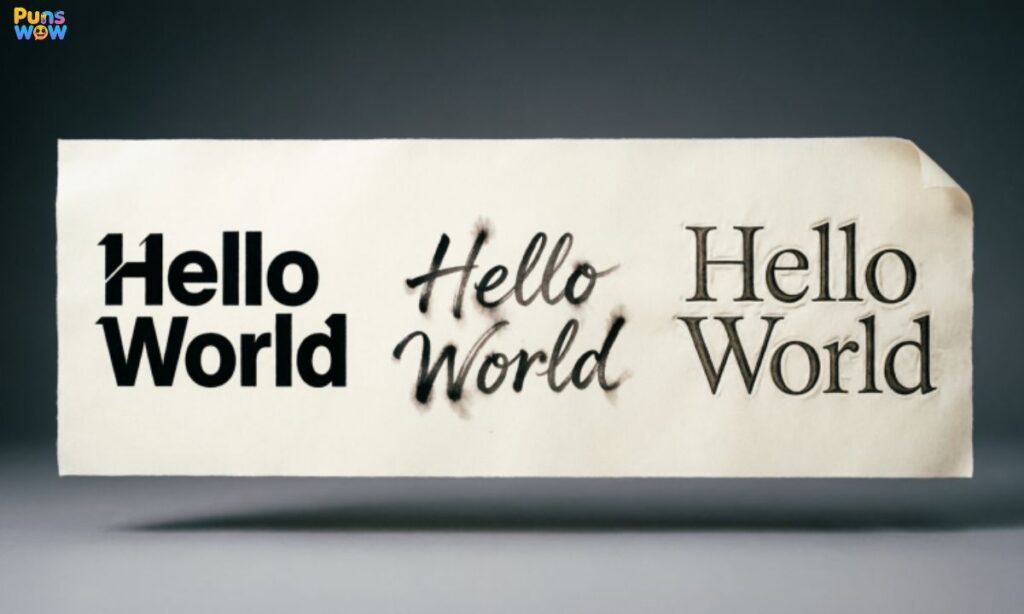
There’s a moment every designer knows. You’ve got the layout perfect, the colors are working, the copy is solid, and then you’re just staring at the font. Is it too stiff? Too quirky? Does it even match what the brand is trying to say.
Font selection sounds like a small decision. In practice, it’s one of the most consequential calls you’ll make in any visual project. The wrong typeface undermines good design. The right one makes everything click into place.
That’s where Fontlu comes in, and if you haven’t come across it yet, you’re probably spending way more time hunting for fonts than you need to.
Fontlu is a modern typography platform built specifically for designers, brand builders, content creators, and anyone who takes visual communication seriously. It’s not just another font directory with a search bar and an overwhelming dropdown menu. It’s a discovery-first environment designed to match your creative instincts with typography that actually serves your purpose.
This guide covers everything worth knowing about Fontlu, what it is, how it works, why typography matters more than most people realize, and how to use a platform like this to genuinely improve your design workflow.
What Exactly Is Fontlu?
Fontlu is an online font library and typography discovery platform. It allows users to explore, preview, and evaluate typefaces for all kinds of creative and professional projects — from brand identities and website design to packaging, social media, editorial layouts, and beyond.
What sets it apart from a basic font repository is the experience. Fontlu is built around visual inspiration, not just technical filtering. Instead of presenting fonts as dry file names in a list, it creates a design-forward environment where you can actually feel how a font behaves before you commit to using it.
Think of it this way, Google Fonts gives you access, but Fontlu gives you context.
For designers juggling deadlines, that context is worth a lot.
Why Typography Is a Bigger Deal Than Most People Admit
The silent language of visual communication
Here’s a quick experiment. Picture two brands side by side. One uses a clean, geometric sans-serif. The other uses a flowing, high-contrast serif with dramatic letterforms. Before you read a single word of their copy, you’ve already made assumptions about what kind of companies they are, who their audience is, and whether they’re trustworthy.
That’s typography doing its job, silently, powerfully, and constantly.
Research has shown that people form opinions about design within milliseconds. Font choices contribute to perceived professionalism, credibility, emotional tone, and even whether a brand feels premium or budget. This is why companies like Apple, Airbnb, and The New York Times treat their typeface choices as serious brand assets.
What goes wrong when fonts are chosen carelessly
Most bad design isn’t bad because of poor color choices or clunky layouts. It’s bad because the fonts don’t match the message.
A playful handwritten font used in a legal document looks unprofessional. A heavy condensed display face crammed into body text becomes unreadable. A corporate typeface on a children’s toy feels cold and wrong.
The problem is that most designers, especially those who are freelancing or working under tight timelines, don’t have the luxury of spending hours exploring typography before a deadline. They default to what they know. Or they grab whatever looks close enough.
Fontlu addresses this by reducing the friction in the discovery process. Instead of starting from scratch every time, you have a curated visual environment that shortens the gap between I need a font and I found the right font.
How Fontlu Works as a Creative Tool
The discovery-first approach to font exploration
Traditional font platforms are built around search and filter. You know roughly what you want, you type in a category, and you scroll through results. It works. But it’s not particularly inspiring.
Fontlu takes a different angle. The interface is designed to surface fonts in a way that’s visually led, so you’re responding to what you see rather than what you can name. That matters because a lot of great font decisions happen when a designer encounters something unexpected.
This is how creative discovery actually works in practice. You’re not always looking for what you already know. Sometimes the best choice is the one that surprises you.
Who uses Fontlu and why
The platform draws a pretty broad creative audience:
- Graphic designers who need expressive display fonts for posters, titles, and campaigns
- Brand identity designers building visual systems that need consistent, meaningful typography
- Web designers and UI/UX professionals looking for fonts that balance aesthetics with readability across screen sizes
- Marketers and content creators building social media visuals, email templates, and landing pages
- Freelancers and small studios who need quick, reliable font decisions without a huge budget for licensed typefaces
- Business owners who are doing their own branding and need guided visual discovery
What connects all of them is the same need, find the right font faster, with more confidence, and with less guesswork.
Fontlu and the Craft of Display Typography
What makes display fonts so powerful
Display fonts, also called headline fonts or title fonts, are the ones designed to stand out. They’re not built for long passages of text. They’re built for impact. A single word in the right display typeface can define the entire visual mood of a design.
Think about magazine covers. Event posters. Logo wordmarks. The massive hero text on a landing page. These are all display font moments, and they’re high-stakes. Get it right and the design sings. Get it wrong and the whole thing looks off.
Fontlu has a strong leaning toward modern, creative display typefaces, which makes it particularly useful for designers working on projects where visual personality matters. Whether you need something bold and geometric, something organic and humanistic, or something experimental and editorial, the platform is built to help you find it.
When display fonts need to be handled carefully
That said — display fonts are not for everything. They’re powerful because they carry a strong visual voice, and that voice can easily overpower the content it’s meant to serve.
A few things to keep in mind:
- Never use display fonts for body text. They’re designed to attract attention, not sustain it across paragraphs.
- Pair thoughtfully. A dramatic display font usually needs a quieter, more neutral companion for body copy. The contrast creates hierarchy without chaos.
- Scale matters. A font that looks stunning at 72pt might feel weirdly fragile at 14pt. Always test at multiple sizes.
- Audience first. A heavily stylized experimental typeface works beautifully in a music festival poster. It would look bizarre in a financial services report.
Fontlu helps with this because it encourages you to preview fonts in context rather than just looking at specimen samples in isolation.
Fontlu’s Role in Building Brand Identity Through Typography
Brand identity is about consistency and recognition. And typography is one of the most underused levers in that system.
Most people think about logos and color palettes when they think about brand identity. Those matter, obviously. But your typeface choice runs through everything, your website, your packaging, your ads, your presentations, your social graphics. It’s one of the most visible and most consistent elements of how a brand presents itself.
A strong brand typeface does a few things well:
- It communicates personality serious, playful, modern, traditional, bold, refined
- It signals audience who the brand is speaking to, and how it respects their expectations
- It builds recognition people start associating that visual style with the brand over time
- It creates coherence, everything the brand produces feels like it comes from the same place
Platforms like Fontlu support this process by giving designers the visual vocabulary to explore different typographic identities before committing. That exploratory phase, when you’re testing whether a font fits a brand, is exactly where Fontlu’s approach to visual discovery pays off.
Pros and Cons of Using Fontlu
Like any tool, it has strengths and a few limitations worth knowing about.
What works well:
- Visual-first interface makes font discovery more intuitive than traditional filter-based platforms
- Strong selection of modern and creative display fonts
- Helps non-designers make more confident typography choices
- Useful for designers who need fast, reliable inspiration under deadline pressure
- Encourages thinking about font personality and purpose, not just aesthetics
Areas to be aware of:
- May be less comprehensive than larger repositories like Adobe Fonts or Google Fonts in terms of raw volume
- Works best for designers who already understand basic typography principles, absolute beginners might need some additional context
- Display font emphasis means users looking primarily for body text or highly technical typefaces might need to supplement with other resources
- Like all font platforms, the real value comes from how you use it, browsing alone doesn’t make your design better
Practical Tips for Getting the Most Out of Fontlu
Start with the feeling, not the category
Before you open any font library, including Fontlu, get clear on the emotional register of your project. Adjectives help here. Is it bold or subtle? Modern or timeless? Friendly or authoritative? Energetic or calm?
Once you know the feeling, you can evaluate fonts against that benchmark. Does this typeface reinforce the feeling I need, or does it pull in a different direction?
Test in context early
Don’t just look at fonts in their sample setting. Paste your actual headline text, your actual tagline, your actual body copy and see how the font performs with your words. Fonts behave differently depending on the letters involved, the language you’re working in, and how the text falls at different sizes.
Use contrast to build hierarchy
If you’re using a distinctive display font for headings, pair it with something simpler and more neutral for body text. The contrast is what creates visual hierarchy. When everything is expressive, nothing stands out.
Don’t over-optimize for trends
Trends in typography come and go faster than most people realize. That heavily distressed grunge typeface that was everywhere in 2019 looked dated by 2022. When choosing fonts for anything long-term, a brand identity, a website, a book, weight timelessness against trendiness. Fontlu has options across the spectrum; knowing which end of it you need is on you.
Trust your instincts, but verify with your audience
Designer instincts are valuable. But if you’re building something for an audience with specific expectations — a healthcare brand, a children’s product, a luxury service, test your font choices with real people from that audience if you can. What feels sophisticated to a designer might feel cold to the person actually buying the product.
Frequently Asked Questions
What is Fontlu, and who is it for
Fontlu is an online typography platform designed for designers, brand builders, marketers, content creators, and anyone working on projects where font choice matters. It provides a visually guided environment for discovering and evaluating typefaces.
Is Fontlu only useful for experienced designers
Not at all, though designers will probably get the most from it. Business owners, freelancers, and creators who do their own visual work can also benefit, especially if they find traditional font platforms overwhelming or overly technical.
How does Fontlu differ from Google Fonts or Adobe Fonts
Those platforms prioritize access and volume. Fontlu is more focused on the discovery experience, it’s built to help users find the right font visually rather than search for one by name or category.
Can Fontlu help with brand typography specifically
Yes. The platform’s emphasis on visual personality and creative display fonts makes it a good starting point for brand identity work, particularly in the early exploration stage when you’re figuring out what kind of typographic voice fits the brand.
Do I need a design background to use Fontlu effectively
A basic understanding of typography, the difference between serif and sans-serif, what body text and display fonts are, how pairing works, will help you use it better. But it’s not a prerequisite for getting value from the platform.
Is Fontlu useful for web design projects
Yes, though you’ll want to verify licensing and web-readiness for any fonts you intend to deploy on live websites. Fontlu is excellent for the discovery and decision-making phase of web design typography.
Conclusion
There’s a reason seasoned designers obsess over fonts while clients often wonder why it matters. Typography is one of those things that works best when no one notices it, when it’s simply doing its job of making communication feel right, look right, and land the way it was intended.
Fontlu doesn’t reinvent the wheel. What it does is take the genuinely difficult task of choosing the right typeface and makes it more intuitive, more visual, and more connected to creative intent. In a space that can get very technical very fast, that human-centered approach has real value.
Whether you’re a freelancer pulling together a client brand, a designer refreshing a product’s visual identity, or a business owner trying to figure out why your website doesn’t feel quite right typography is probably part of the answer. And Fontlu is a tool worth having in your creative toolkit.

Callum is a creative pun writer with 4 years of experience in humorous blog content. He specializes in clever wordplay and viral puns, and now contributes his expertise to creating fun, engaging content at PunsWow.com.