
You’re scrolling through your messages, and suddenly you see LMS pop up. Your teenager uses it constantly. Your coworker dropped it in a Slack message. But what the heck does it actually mean.
Well, you’re not alone. Text abbreviations have become so embedded in our digital lives that it’s nearly impossible to keep up with them all. I’ve been writing about internet culture and digital communication for over a decade, and I can tell you that new acronyms pop up almost weekly. But some stick around because they’re genuinely useful, and LMS is definitely one of those.
Let me break down what LMS means, where it comes from, why people use it, and when you should probably avoid it yes, there are definitely contexts where it’s not appropriate.
What Is LMS in Texting?
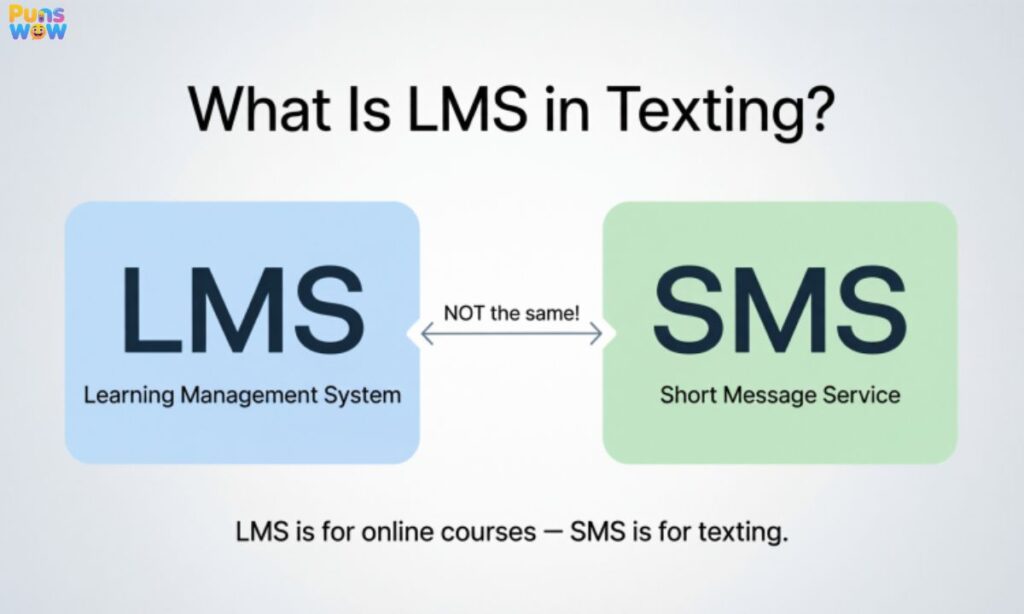
LMS stands for “Like My Status. That’s it. Simple, right?
Essentially, when someone sends you LMS, they’re asking you to like their social media status or post. It’s a direct request for engagement on platforms like Facebook, Instagram, Twitter (now X), or TikTok.
Think of it as a casual way of saying, “Hey, I just posted something. Would you mind showing some support by liking it.
The term became especially popular during the Facebook era (roughly 2008-2015) when status updates were the primary way people shared what they were doing. It became so common that even as social media evolved, the abbreviation stuck around. Now you’ll hear it on basically every platform, though its usage has shifted somewhat.
The History Behind LMS
Here’s where it gets interesting. LMS didn’t just appear out of nowhere. It evolved naturally from how people communicate online.
Back in the early days of social media, Facebook statuses were the thing. Everyone was posting constantly, what they had for breakfast, their thoughts on random topics, jokes, rants. The engagement metric everyone cared about was likes. Getting likes on your status became a form of social validation (yes, even back then).
People started asking their friends to like their posts directly through messages. At first, it was written out: Hey, can you like my status?” But that’s a lot of typing, especially on a mobile phone keyboard that required tapping each letter multiple times (if you remember predictive texting, you know the struggle).
So people shortened it. First to “like my status,” then eventually to the acronym LMS.
The abbreviation hit peak popularity around 2010-2012. If you were on Facebook back then, you’d see it everywhere, in comments, in direct messages, in actual status updates asking people to like your stuff. It became such a recognizable part of online culture that it spawned variations: IMS (Ignore My Status) for when someone posted something embarrassing, or DMS (Direct Message) which is still used today.
Interestingly, LMS is actually a great example of how language evolves in real time. Linguists have studied text abbreviations extensively, and what they’ve found is that these aren’t just lazy shortcuts, they’re sophisticated linguistic adaptations to specific communication contexts.
Where You’ll See LMS Today
LMS isn’t just a relic of the Facebook era. It’s still alive and kicking, though its usage has definitely shifted over the years.
Facebook and Instagram: You’ll still see it occasionally on these platforms, though it’s less common than it used to be. Older users tend to use it more frequently than younger ones.
TikTok: This is actually where LMS has seen a resurgence. TikTokers use it regularly, and if someone’s trying to build followers or get engagement, you’ll definitely see LMS in their caption or comments.
Twitter/X: Less common here, but it still pops up occasionally.
Snapchat and Discord: Rare, but it happens.
Text Messages and Messaging Apps: This is probably where you see it most frequently now. People will text “LMS” to ask friends to like their latest Instagram post or TikTok video.
Group Chats: Particularly in group chats where people share content and look for support from the group.
The context really matters here. Someone asking LMS in a group chat is probably just being friendly. A brand or influencer using it is trying to game the algorithm. And yeah, there’s definitely some awkwardness when older adults discover it and try to use it naturally (spoiler: it rarely comes off naturally).
Why Do People Use LMS
This is worth understanding, because the why explains a lot about modern online behavior.
Social Validation: Let’s be honest, we all want to feel validated. A like is essentially a tiny hit of dopamine. It confirms that someone saw your content and approved of it. LMS is just a shortcut to asking for that hit.
Algorithm Gaming: Content creators, especially on TikTok and Instagram, use engagement metrics to reach more people. The more likes a post gets, the more the algorithm pushes it out to a wider audience. So asking for likes isn’t just about feeling good, it’s a strategic move.
Building Community: Sometimes LMS is genuinely about fostering connection. Friends ask friends to like their stuff. It’s a way of saying, “I posted something, and I’d love for you to see it and support me.
Habit: For a lot of people, it’s just habit now. They’ve been using it for so long that it’s automatic.
Efficiency: Text-speak is efficient. LMS is three letters. Like my status is two words. On a phone, every abbreviation counts.
The interesting thing is that different age groups and communities use LMS for different reasons. Gen Z might use it more ironically. Millennials might use it semi-seriously. Older folks might use it because they learned it and think it makes them sound current (spoiler: it doesn’t quite work that way).
LMS vs. Other Similar Abbreviations
Since we’re talking about text speak, let’s clear up some related abbreviations that get confused:
LMS = Like My Status
DMS = Direct Message (often used as a verb: “DM me”)
IMS = Ignore My Status
AMS = Add My Snap (for Snapchat)
SMH = Shaking My Head
NGL = Not Gonna Lie
NFS = Not For Sale
FYI = For Your Information
The thing about text abbreviations is that they’re regional and generational. Someone from one social circle might use a completely different set of abbreviations than someone from another. It’s like regional dialects, but for the internet.
Pros and Cons of Using LMS
Let me give you the real talk about whether you should use LMS.
Pros
It’s quick and efficient. Three keystrokes instead of several words. When you’re trying to engage with a lot of content, this saves time.
It’s widely understood. Unlike some obscure internet slang, most people know what LMS means. You’re not going to confuse anyone by using it.
It’s friendly and casual. Using LMS (as opposed to writing out “please like my status”) adds a casual, friendly tone to conversations. It signals that you’re not taking things too seriously.
It works across platforms. It started on Facebook, but it works everywhere. The meaning is consistent.
Cons
It’s perceived as outdated. Honestly, LMS feels a bit dated now. If you’re trying to seem current or trendy, using it might make you sound like you’re stuck in 2012.
It can seem desperate. Asking people to like your stuff, even in shorthand, can come across as needy or attention-seeking. Context matters enormously here.
It’s not appropriate for professional settings. If you’re communicating with your boss or a client, “LMS” is definitely not the move. Stick to proper communication.
It’s rarely used by younger Gen Z. If you’re trying to appeal to people under 18, LMS probably isn’t in their vocabulary. They’re more likely to use terms like “for the algorithm” or just ask directly for engagement.
It can date your content. If you’re a brand trying to seem modern and relevant, using LMS might actually work against you.
When to Use (and NOT Use) LMS
Context is absolutely everything with internet slang. Here’s my practical breakdown:
Do use LMS:
- In group chats with friends who you know are cool with casual language
- When you’re genuinely just asking friends to like a post you’re proud of
- In comments on social media where casual tone is expected
- In any context where people are already using text-speak
Don’t use LMS:
- In professional emails or communication
- When messaging someone older who might not understand it
- In any formal or business context
- If you’re unsure about your relationship with the person (better to be safe)
- In customer service interactions
- In any context where you need to be taken seriously
- If you’re writing content for a general audience
Basically, think about your audience. If they speak the language of text abbreviations and casual internet communication, go for it. If there’s any doubt, spell it out or rephrase.
LMS in Different Contexts
The beauty of abbreviations is that they’re flexible. LMS can mean slightly different things depending on context:
On social media: LMS = Like my post/status/content
In private messages: LMS, Can you like my stuff or Check out my post
In group chats: Can be either a request or a joke about how people constantly ask for engagement
In comment sections: Usually a genuine request from the post’s creator
Used ironically: Sometimes people use LMS ironically to comment on how desperate people look when asking for likes
The context clues will usually make it clear what someone means. But when in doubt, just ask. There’s no shame in saying, “Hey, what does LMS stand for?” Most people will appreciate the question and explain it to you.
Frequently Asked Questions
Is LMS the same as “like my Instagram post
Not exactly. LMS is broader and can apply to any social media status or post. But yeah, in practice, people use it for Instagram, TikTok, Facebook, and basically anywhere else.
Do celebrities and influencers use LMS
Some do, especially when they’re trying to seem relatable and casual. But most major influencers avoid it because it makes them seem out of touch. There are exceptions, especially in younger niches like TikTok.
Is asking for likes considered spam
Most platforms have policies against engagement pods and artificial engagement, but simply asking friends to like your content isn’t spam. It’s just a social ask. However, systematically using bots or automated services to get fake likes? That’s definitely spam and violates platform policies.
How is LMS different from other engagement requests
It’s basically the same as asking for a like, just shorter. There’s not really a functional difference, it’s purely about efficiency and tone.
Will LMS ever completely disappear
Probably not. It’s been around for 15+ years now, which is ancient in internet time. But its popularity will likely continue to decline as new generations develop their own linguistic shortcuts.
What should I do if someone asks me to LMS
You don’t have to do it. But if it’s a friend and you’ve got a moment, why not? A like costs you nothing. It’s a small gesture of friendship. Just don’t feel obligated if you don’t want to.
Can LMS mean anything else
Yes, actually. In professional contexts, LMS usually stands for Learning Management System (software platforms used in education and corporate training). But in texting, it almost always means “Like My Status.
The Broader Picture: How Internet Slang Shapes Communication
Understanding LMS is really about understanding how language evolves. We’re living through a linguistic revolution, whether we realize it or not.
Text abbreviations aren’t just lazy shortcuts. They’re sophisticated adaptations to a new communication medium. When you’re typing on a phone keypad, every keystroke counts. When you’re trying to communicate quickly in a group chat, efficiency matters. When you’re trying to fit in with a particular online community, you need to speak their language.
What’s fascinating is how these abbreviations become generational markers. Someone who uses LMS unironically is probably a millennial or older Gen X person. Someone who finds it hilarious is probably Gen Z. Someone who’s never heard of it is probably much older or completely offline.
And that’s the thing about internet culture—it moves fast. What’s hot today is cringey tomorrow. LMS is a perfect example of that progression. It was essential slang, then mainstream, then somewhat dated, and now it’s either nostalgic or ironic depending on who’s using it.
The Bottom Line
So what does LMS mean in text? It’s a request to like someone’s social media status or post. It’s been around since the early days of Facebook, and while it’s become less common, it’s still used regularly, especially on platforms like TikTok.
Should you use it? That depends on your audience and context. If you’re texting friends or posting in casual online spaces, go ahead. If you’re in any kind of professional or formal situation, stick to proper language.
The most important thing is understanding what it means when you see it, and knowing how to respond appropriately. And now you do.
Whether you’re trying to stay current with how your kids talk online, or you’re just curious about internet slang, LMS is one of those terms that’s useful to understand. It’s simple, it’s been around long enough to stick around, and it tells you something interesting about how we communicate in the digital age.
The next time you see “LMS” in a text or comment, you’ll know exactly what someone’s asking for. And more importantly, you’ll understand the rich history and context behind those three little letters.

Callum is a creative pun writer with 4 years of experience in humorous blog content. He specializes in clever wordplay and viral puns, and now contributes his expertise to creating fun, engaging content at PunsWow.com.